
A water bottle pump conveys purified water from sealed containers to glasses, jugs, or reservoirs. These devices can provide water at different temperatures. They are crucial in homes, offices, and events for easy availability to quality water. This convenience requires minimal installation.
Shop For Water Bottle Water Pump
The need for efficient hydration solutions is rising in the US, as consumers prioritize ease and flavor. You’ll find both bottled and bottleless types. Bottle-fed dispensers need power and bottle replacement, while bottleless models hook up to the water line and feature filtration.
This guide in the US details water bottled pump functions, contrasts models like Flow Jet and Flojet types, and discusses power options. For components or maintenance, Installation Parts Supply.com is a top choice for pump spares and other needs listed.
Read this concise guide to understand water pump options more clearly. Select features that match your needs and learn the fundamentals of care and repair prior to purchase.
Selecting The Right Dispenser For Your Space
Deciding on bottled vs. bottleless water dispensers depends on consumption habits. Small spaces and residences might lean towards mobility and simple installation. Conversely, bigger facilities focus on a continuous flow and minimizing waste.
Comparing bottled vs plumbed units
Jug coolers use sealed bottles, sold in different capacities. They provide chilled, heated, or ambient water and are simple to start using. You just install a bottle, connect power, and use.
Conversely, plumbed-in coolers connect directly to the mains supply. They include filters to purify the water and require plumbing setup and regular filter changes. This choice suits places needing a constant water source.
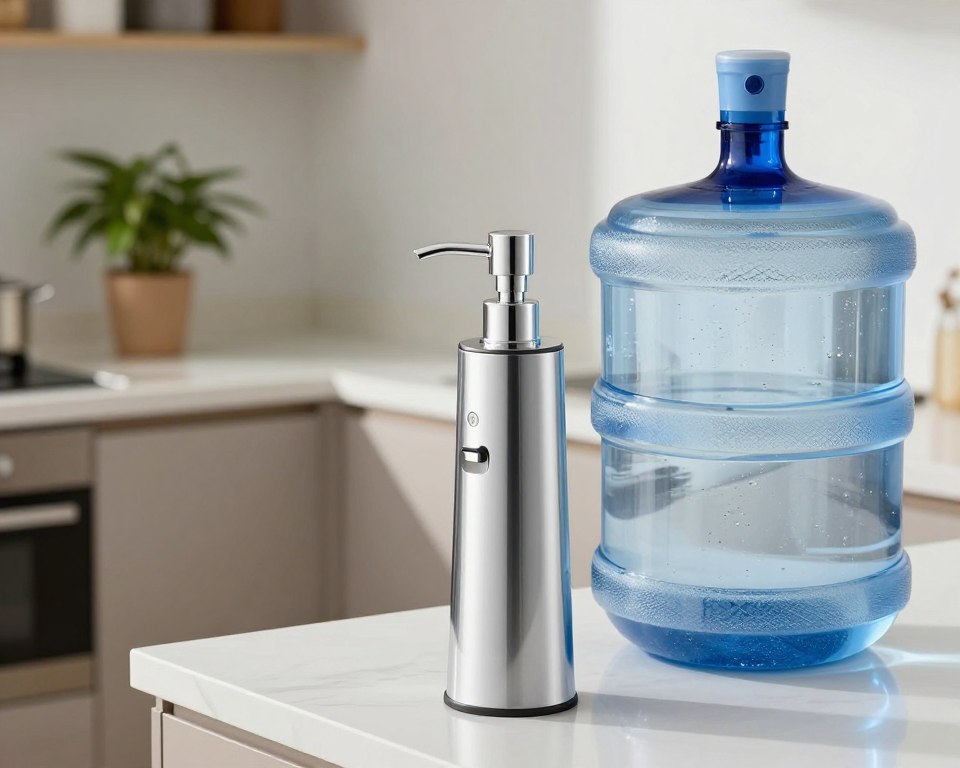
Benefits of bottled water dispensers for flexible placement
No plumbing is needed for bottled dispensers, rendering them ideal for spots that often rearrange. They’re transportable, fitting reception areas and temporary events.
They ease the load of keeping water at the location. Sealed jugs also reduce the chance of contamination and usually have spill-proof designs for hygiene.
When a mains-fed dispenser makes more sense
In busy spots like big corporate spaces or fitness centers, the usage exceeds what jug dispensers offer. A bottleless system meets the need for high-volume service and diminishes the dependence on disposable plastic.
Eco-conscious businesses opt for mains-fed devices. They are ideal where internal filtering is required to ensure continual access to clean water, removing the need for bottled storage.
Common usage scenarios in the US
Jug pumps are found in small businesses, temporary stores, and home kitchens—locations where permanent piping is not feasible. They pair nicely with specific pump units, enhancing mobility.
Mains-fed setups are more common in big offices, dorms, and commercial food prep areas that are plumbed. They support a steady flow and are more eco-friendly.
Understanding The Water Bottle Pump
A water jug pump moves water from a jug to your faucet or reservoir. It uses suction, diaphragm displacement, or mechanical seals. This maintains the water clean and ensures a steady stream. Such pumps are built into home and office coolers for easy, sanitary use.
How Bottled Water Pumps Function
Pumps draw water from containers, routing it to a faucet or internal tank. They utilize diaphragm mechanics to stop pollution. For gravity-fed units, the jug is placed upside down on a receiver. With pump kits or bottom-loading units, lifting heavy jugs is eliminated.
Common Pump Types: Manual, Electric, And Touchless
Hand pumps, driven by pressing, don’t require electricity and are inexpensive. Electric pumps, running on mains or battery, keep pressure up for hot and cold water. Touchless pumps, which use sensors, offer sanitary access in communal spaces.
Powered units frequently employ diaphragm-style pumps, famous for steady flow. A good pump adapts to various dispensers, from countertops to mobile stations. These adaptable designs make for dependable service.
Compatibility With Bottle Sizes (13L, 18.9L, Gallon Containers)
Pumps usually fit standard 18.9L bottles and smaller bottles too. Connectors and non-spill caps work with 13L containers and different regional bottles. Various connectors in conversion kits ensure fitment with various neck sizes.
Typical Installation And Replacement Guidance From Installation Parts Supply.com
The supplier advises selecting pumps that fit your system and jug size. Use only food-grade tubing and safe plastics. For swapping diaphragm pumps, checking gaskets are intact is crucial. For mains changes or bottom-load setups, getting pro help ensures correct wiring and leak-free use.
Key Features Of Quality Dispenser Pumps
Choosing the perfect pump system needs consideration. Speed, power, cleanliness, and construction are essential. These factors significantly affect its operation and long-term worth in different environments.
Flow rate and delivery speed
The flow rate influences both the dispensing speed but also user satisfaction. To make an informed choice, look for the gallons or liters per minute for comparison.
High-quality diaphragm pumps excel in ensuring steady flow and clean operation. They are ideal for reducing mess during use. For robust needs, choose plumbed options; for less intense environments, smaller systems work fine.
Power choices: Battery vs. AC
Rechargeable pumps are versatile, suitable for areas without permanent setups. Meanwhile, battery-operated units are excellent for quick installation at gatherings or outdoors.
Plug-in pumps are built for relentless operation, with capabilities like hot/cold water dispensing. They are perfect with touchless sensors for busy or communal areas.
Sanitary features for clean water
To reduce germs, pick pumps with no-spill caps and sealed connections. Covered nozzles and good gaskets also provide a barrier from pollutants, keeping water fresh.
Sensor dispensers reduce the spread of germs in shared spaces. Combining these with regular cleansing routines heightens safety.
Durability and materials
Select dispensers constructed from BPA-free plastics, food-grade silicone, and stainless steel. These substances ensure safety and durability with frequent use.
Opt for models that ensure long life via strong housings and replaceable components. Buying genuine spares from reputable sellers guarantees warranty protection and runs well.
When evaluating options, examine flow jet pump specifications and verify compatibility of matching components like a water pump flojet. Additionally, double-check guarantee terms for your chosen system.
How To Choose The Right Water Bottle Water Pump For Your Space And Usage
Picking the right dispenser involves considering the number of users, service speed, and location. Align the tank size and pump output with your actual needs daily. For apartments and quiet offices, a simple water bottled pump or a standard unit is sufficient. In contrast, high-traffic spots need coolers with faster output.
To estimate usage, figure out the water usage in liters. A family of 4 typically needs 3-5 gallon jugs with a matching dispenser. Conversely, busy locations like busy office break rooms or dining areas should use bigger reservoirs or plumbed lines, providing quick access to hot and cold drinks on demand.
Considerations for offices, hospitality, and residential use
Offices need durable, touchless units with maintenance agreements and durable components. Hotels and dining venues prioritize quick service, stylish designs, and options, like cold or carbonated water. Residential settings often opt for simple pumps, prioritizing small, independent units.
Energy efficiency and eco-friendly choices
Evaluate the energy usage of pumps in idle and active states. Ambient pumps consume less power. To reduce reliance on plastic jugs, think about bottleless systems. Invest in efficient cooling and good pumps to lower both costs and environmental footprint.
Installation, maintenance, and service options
Bottled water pumps are simple to install: just attach a bottle and switch on. Systems connected to the main water supply might need expert installation. In the US, suppliers provide installation help, replacement parts, and maintenance contracts. Regular upkeep, such as changing filters and cleaning tanks, guarantees your dispenser performs reliably over time.
Common Troubleshooting, Maintenance, And Parts Replacement
Minor problems in dispensers can often be traced to simple causes. Always check the power, switches, and ensure proper ventilation. A clogged hose or an worn gasket might stop water. In plumbed coolers, clogged filters and limescale accumulation can reduce pressure and affect water delivery.
Diagnosing Pump Failures
Broken pumps could simply be disconnected or powered down. Cooling motors require sufficient space for airflow to function efficiently, preventing frequent on-off cycles. Battery-powered pumps stop working when batteries are depleted. For bottleless units, old filters, limescale, or issues in the plumbing can decrease pressure.
Solutions For Low Water Pressure
Start fixing by checking the plug, checking buttons, and verifying charging for battery-operated pumps. Make sure inlet tubing and spouts are unclogged. To solve leakage issues, changing caps or gaskets often works, stopping the leak.
For diaphragm pumps, like those of the Flojet model, inspecting and possibly replacing the diaphragm and valves is essential. These parts degrade, reducing vacuum and water flow. A common repair for a branded pump means buying new diaphragms or valve kits, available at Installation Parts Supply.com, which supports a variety of models.
Battery-operated or rechargeable pump systems perform best with fresh batteries or a fully charged battery. If a plumbed cooler exhibits low flow, changing filters or filter elements as recommended by the manufacturer is advised. Check filter compatibility the unit specifications to keep it running well.
Keeping Your Dispenser Clean And Safe
Clean often tanks, spouts, and bottle-contact points to stop bacteria growth. Utilize food-grade cleaners and follow rules from the EPA, CDC, or the manufacturer for water safety. Touchpoints that see frequent use require more frequent cleaning.
Based on how much the dispenser is used and the water source, change sediment, carbon, and ultrafiltration cartridges accordingly. Keeping a record for service dates helps tracking. Regular cleaning and replacing filters when necessary preserves flow and taste.
Sourcing Authentic Pump Parts
Always choose parts that match your dispenser’s model number and material specifications. Pick safe parts to ensure safety and keep the warranty. For trustworthy parts, like pumps and hoses, check out Installation Parts Supply.com.
If you’re installing a new pump in a mains unit, hiring a professional might be wise. They can stop leaking and shocks, ensuring the new pump, whether a specific water pump flojet or a generalized repair, is fitted right.
Conclusion
Selecting the correct water pump is vital. It relies on its placement and intended use. Mobile units or areas without pipes benefit greatly from a jug pump. It’s simple to set up and gives fast water. For users wanting high volume, less waste, and top-notch filtration, a plumbed cooler is advised.
It’s important to match the pump capabilities with your daily needs. Simple pumps are suitable for lighter usage. However, electric diaphragm pumps are ideal for high-demand areas like busy offices. Choosing a water bottle pump means checking the speed, power source, and options such as sensor use and no-spill caps for hygiene.
Maintaining your water system is essential for good flavor and durability. Routine washing, timely filter changes, and OEM spares are required. For US customers looking for Flojet-style pumps, Flow Jet options, tubing, or installation advice, it’s best to turn to trusted vendors. They can supply the necessary components to maintain your unit.
Related: Propane Water Heater For Workshop And Garage